


Introduction to Industrial Painting
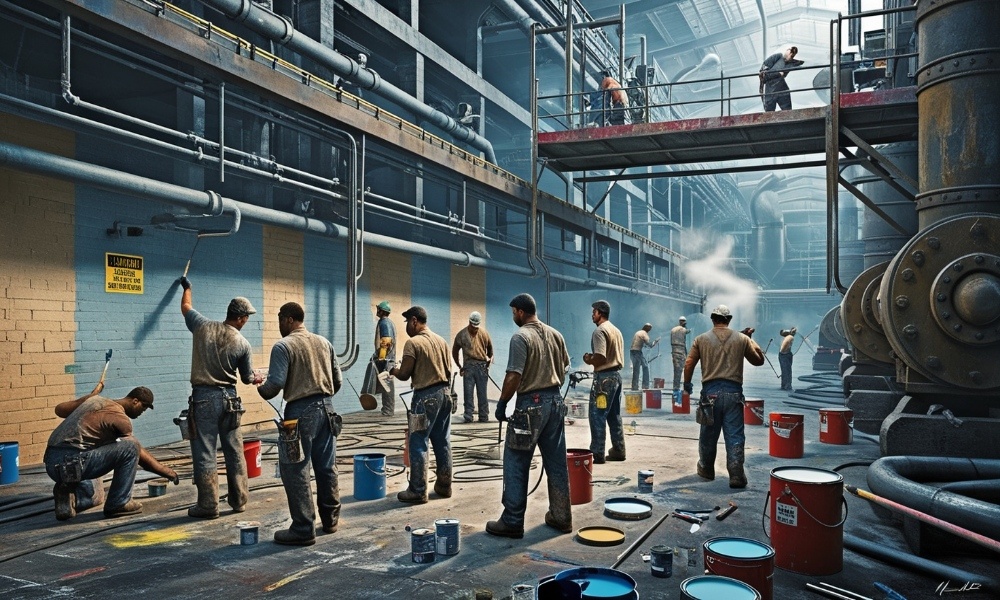
Industrial painting is a specialized coating process designed to protect, preserve, and enhance the durability of surfaces used in factories, plants, warehouses, and other industrial facilities. Unlike regular decorative painting, which primarily focuses on aesthetics, industrial painting emphasizes functionality, performance, and long-term protection. It involves the application of protective coatings such as epoxy, polyurethane, enamel, or heat-resistant paints to machinery, equipment, metal structures, pipelines, storage tanks, and other critical assets.
The primary goal of industrial painting is to safeguard surfaces against harsh environmental conditions, including corrosion, chemical exposure, moisture, abrasion, and extreme temperatures. This ensures not only a longer lifespan of equipment but also maintains safety standards, reduces maintenance costs, and minimizes downtime.
- Spray Painting
- Spray Painting Advantages
- Spray painting Applications
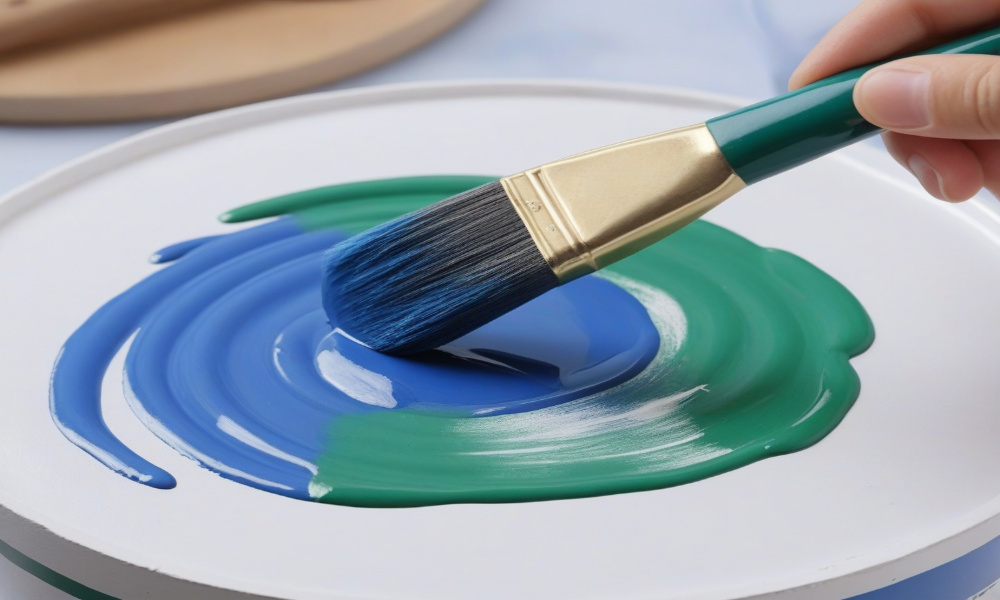
Spray painting is a painting technique where a device sprays a coating—such as paint, varnish, or stain—through the air onto a surface. It is widely used in industries, construction, automobiles, furniture, and even household projects because it provides smooth, even coverage and saves time compared to traditional brush painting.
Spray painting is an efficient and versatile painting method that offers excellent coverage and a polished finish. Whether in industrial settings, automotive refinishing, or creative projects, it has become a reliable choice for both professionals and DIY enthusiasts.
Smooth Finish – Delivers a uniform, streak-free surface.
Time-Saving – Covers large areas quickly.
Versatile – Works on metals, wood, plastics, and walls.
Professional Quality – Provides a flawless look with minimal effort.
Accessibility – Available in compact spray cans for DIY projects.
lways wear a mask or respirator to avoid inhaling fumes.
Work in a well-ventilated area.
Use protective clothing and goggles to prevent paint contact.
Store spray paints away from heat and flames since they are highly flammable.
- Radar Painting
- Radar Painting Features
- Radar Painting Applications
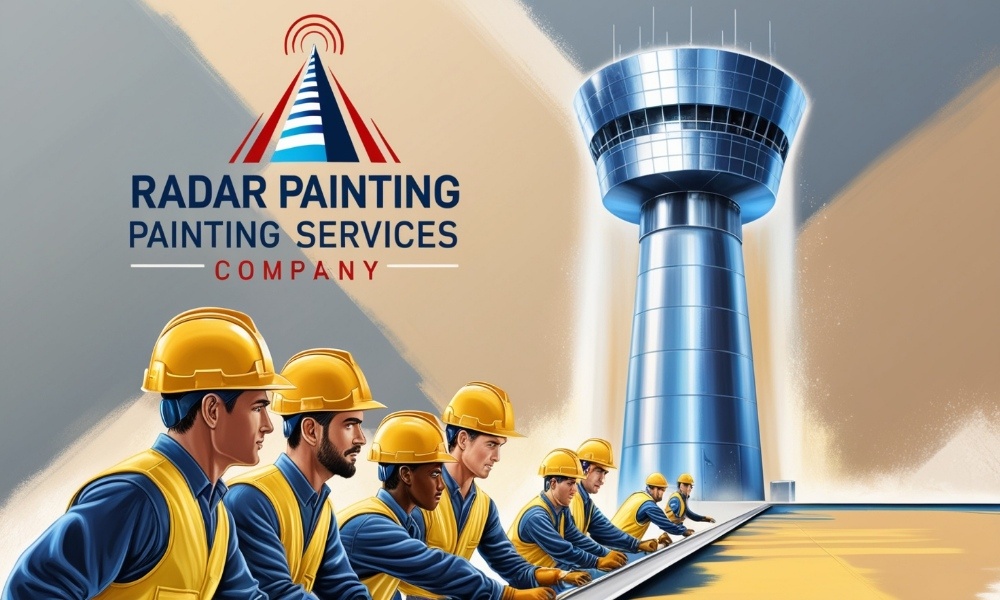
Radar painting is a specialized industrial painting service designed to protect and enhance radar systems, antennas, and related equipment. Since radar devices are crucial for defense, navigation, weather monitoring, and communication, they require coatings that provide both durability and minimal interference with signals. Radar painting ensures the equipment remains functional, corrosion-resistant, and weatherproof without affecting performance.
Radar systems are often exposed to harsh outdoor conditions such as UV rays, moisture, saltwater, dust, and extreme temperatures.
Non-Conductive Coatings – Prevents disruption in radar frequency and wave transmission.
Corrosion Resistance – Protects metal structures from rust and oxidation.
Weather Resistance – Withstands heavy rains, salty marine environments, and high UV exposure.
Durability – Extends the lifespan of radar equipment.
Signal Safety – Ensures coatings do not block or interfere with radar operations.
Defense & Military – For ground-based radars, naval radars, and air-defense systems.
Aviation – Applied to radar towers and navigation aids at airports.
Marine Industry – Protects ship radars and offshore communication systems from saltwater damage.
Weather & Research Stations – Used on Doppler radars and meteorological equipment.
- Commercial Painting
- Commercial Painting Importance
- Commercial Painting Services
Commercial painting refers to the professional painting of business establishments, offices, industrial facilities, retail outlets, warehouses, schools, hospitals, and other large-scale commercial spaces. Unlike residential painting, commercial painting projects require specialized skills, advanced tools, durable paints, and experienced professionals who can manage both small and large jobs efficiently.
Site Inspection & Consultation – Assessing the property’s condition and client requirements.
Surface Preparation – Cleaning, sanding, filling cracks, and applying primer for durability.
Painting Application – Using brushes, rollers, or spray-painting techniques.
Finishing & Detailing – Ensuring smooth, uniform coats with no imperfections.
Final Inspection – Reviewing the project to ensure quality and client satisfaction.
Enhances Appearance – A fresh coat of paint improves the aesthetics of a business property, creating a positive first impression for clients, employees, and visitors.
Protects Surfaces – High-quality paints protect surfaces from moisture, dust, rust, and other environmental factors that can cause long-term damage.
Boosts Brand Image – The choice of colors and finishes can reflect a company’s branding, culture, and professionalism.
Improves Property Value – Well-maintained and freshly painted properties often have higher resale and rental values.
Promotes Healthy Environment – Modern commercial paints are eco-friendly and low in VOCs (Volatile Organic Compounds), contributing to a cleaner, healthier workplace.
Interior Commercial Painting
Painting walls, ceilings, partitions, and workspaces.
Use of low-odor, quick-dry paints for minimal business disruption.
Exterior Commercial Painting
Applying weather-resistant coatings to withstand harsh sunlight, rain, and pollution.
Involves pressure washing, surface preparation, and protective finishes.
Industrial Painting
Specialized coatings for factories, warehouses, and plants.
Includes fire-resistant, anti-corrosion, and chemical-resistant paints.
Specialty Coatings
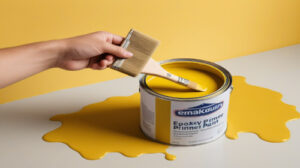
Epoxy coatings for floors in hospitals, malls, and industries.
Anti-graffiti coatings, waterproofing, and textured finishes.




Residential Painting
Enhances home beauty, creates a welcoming atmosphere, and protects surfaces for long-lasting comfort.
Commercial Painting
Improves brand image, attracts clients, and ensures a professional, well-maintained business environment.
Industrial Painting
Provides protective coatings, prevents corrosion, and ensures safety and durability in demanding environments.
Exterior Painting
Protects buildings from weather damage while boosting curb appeal and long-term property value.
Interior Painting
Adds elegance, improves ambiance, and supports healthier indoor spaces with eco-friendly finishes.
Specialty Painting
Offers advanced solutions like waterproofing, fireproof coatings, and decorative finishes for specific needs.
Overall Conclusion
Painting solutions combine aesthetic appeal, surface protection, and long-term value, making them essential for every type of property—whether home, office, or industry.