

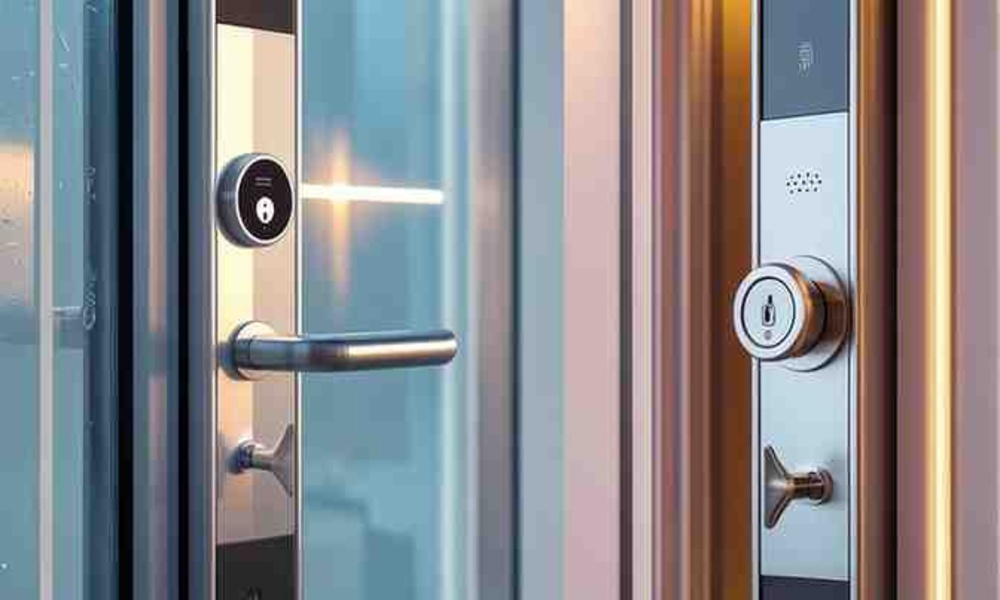
Introduction to Digital Door Locks
In today’s fast-paced world, security and convenience have become top priorities for both homeowners and businesses. Traditional mechanical locks, while reliable, are no longer sufficient to meet the modern demands of safety and accessibility. This is where digital door locks come into play—an innovative solution that combines advanced technology with user-friendly features to enhance security, convenience, and style.
What is a Digital Door Lock?
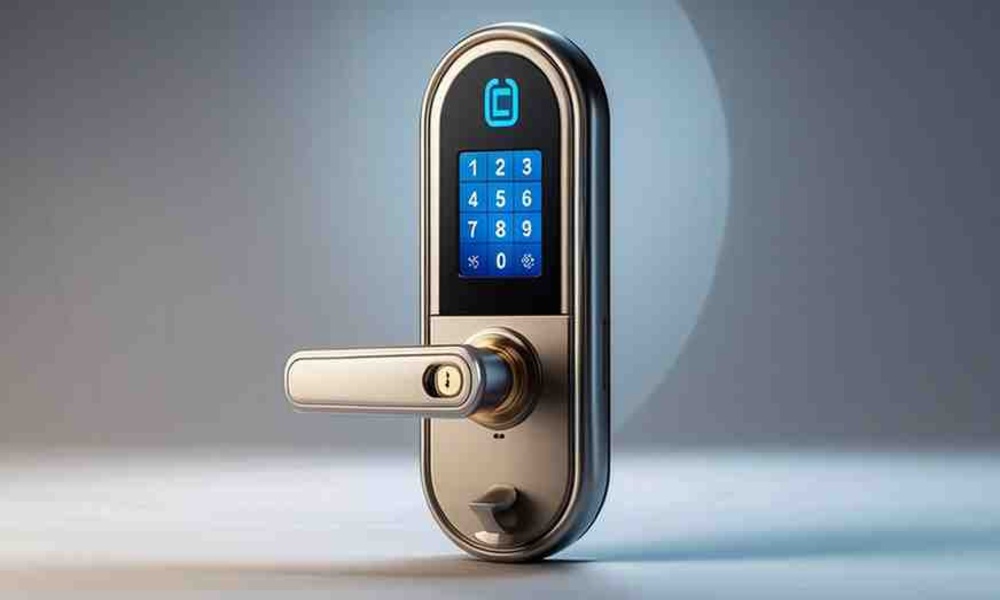
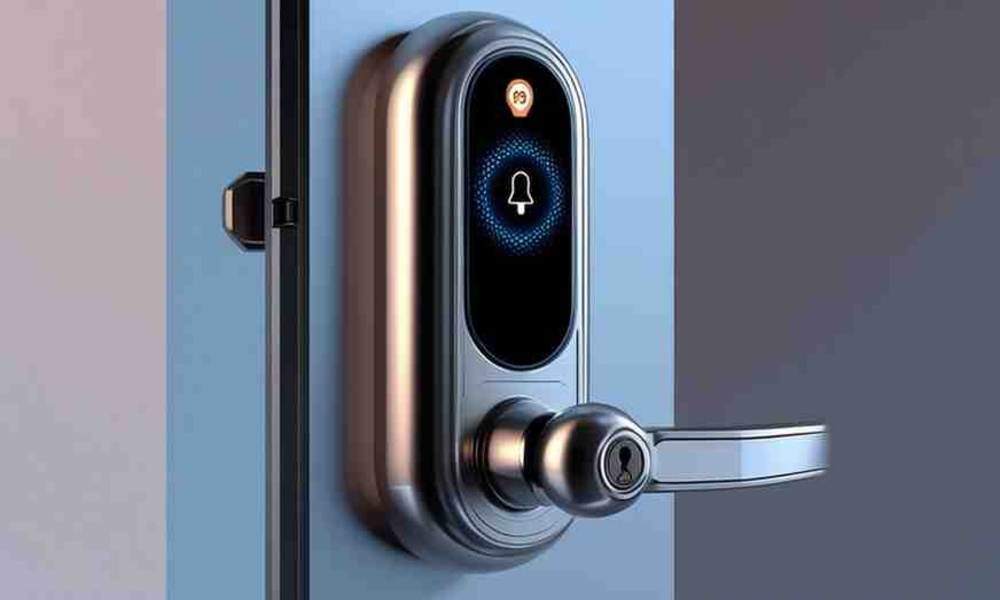
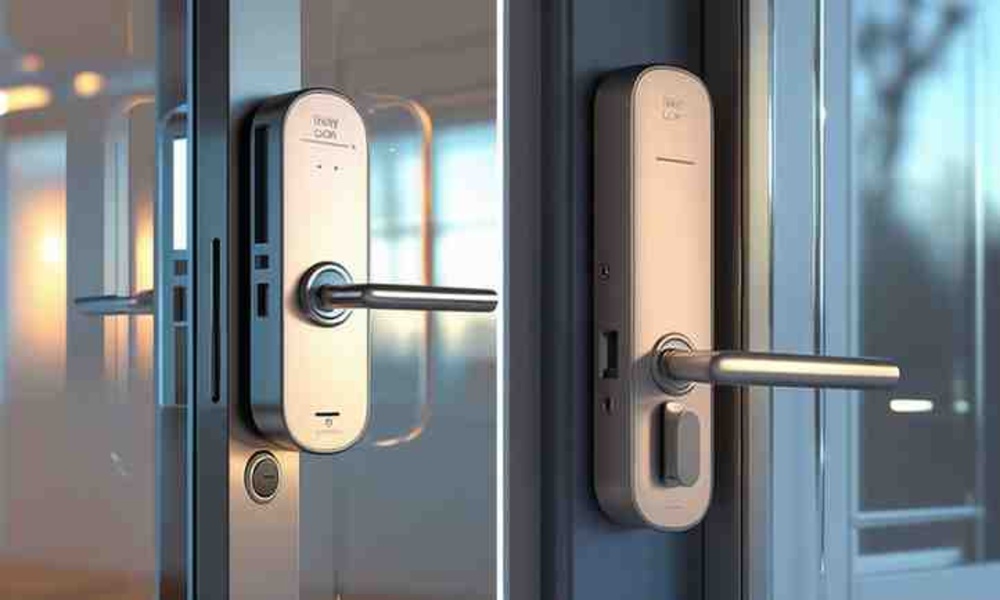
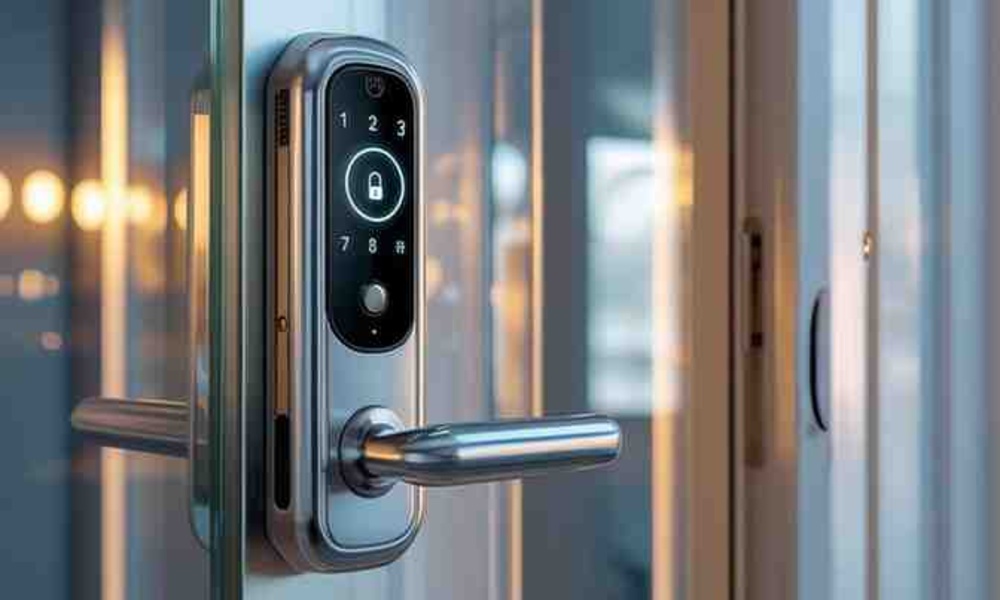
A digital door lock is an electronic locking system that allows authorized access without the use of traditional keys. Instead, it relies on modern authentication methods such as PIN codes, biometric recognition (fingerprints), RFID cards, Bluetooth, Wi-Fi, or mobile apps. These locks are designed to provide flexible access control, ensuring that only approved individuals can enter.
Digital door locks can be installed in homes, offices, hotels, hospitals, and commercial spaces, making them a versatile choice for various environments. With sleek designs and smart technology, they not only secure properties but also complement modern interiors.
- Smart Door Lock
- Electronics Door lock
- Keyless Entry System
Key Features of Smart Door Locks
One of the biggest advantages of smart door locks is keyless entry. Instead of worrying about carrying keys, users can unlock doors using fingerprints, passcodes, or mobile apps. Many models also offer remote access, allowing users to control the lock from anywhere through Wi-Fi or Bluetooth.
Smart locks often support multiple authentication options, combining biometrics, PIN codes, and RFID cards for flexibility.
Benefits of Smart Door Locks
Smart door locks deliver a wide range of benefits. Their high-level security makes them resistant to lock picking and unauthorized access. They also provide unmatched convenience, eliminating the need for physical keys. With advanced access management, homeowners or businesses can grant temporary or permanent access codes to family, guests, or employees. Real-time monitoring is another valuable feature, sending notifications and activity logs directly to smartphones. Beyond function, their modern and stylish designs enhance the look of any door.
Key Features of Electronic Door Locks
Electronic door locks offer keyless entry, which reduces the risk of lost or stolen keys. They provide multiple access options, including PIN codes, RFID cards, fingerprints, or smartphone apps.
Benefits of Electronic Door Locks
One of the main advantages is enhanced security. Electronic locks are harder to pick compared to traditional locks, reducing unauthorized entry. They offer convenience, as users can enter quickly without searching for keys. With access management features, temporary or permanent codes can be assigned to family, guests, or employees.
Applications of Electronic Door Locks
Residential Homes – Provide safe and easy access for families.
Corporate Offices – Secure sensitive areas and manage employee access.
Hotels & Hospitality – RFID card locks improve guest convenience and efficiency.
Institutions & Healthcare – Protect restricted areas such as labs and record rooms.
Key Features
Keyless entry systems eliminate the need to carry or manage physical keys. Users can unlock doors with a fingerprint, code, or smartphone tap.
Benefits
The primary benefit of keyless entry systems is enhanced security. They reduce the risk of lost, stolen, or duplicated keys and make unauthorized access more difficult. Another key advantage is convenience—families, employees, or guests can enter easily without searching for keys.
Applications
Homes & Apartments – Ensures family safety and easy access.
Corporate Offices – Manages employee entry and secures sensitive areas.
Hotels & Hospitality – Offers guests contactless, card-based, or mobile access.
Healthcare & Institutions – Protects restricted spaces like labs and storage areas.
- FingerPrint Door Lock
- RFID Door LOCK
- Bluetooth Door Lock
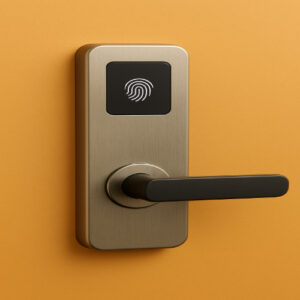
A fingerprint door lock is an advanced security solution that uses biometric technology to grant access. Instead of traditional keys or cards, it scans and recognizes the unique fingerprint of an authorized user.
Key Features
Fingerprint door locks are designed with biometric sensors that provide quick and reliable access. They can store multiple fingerprints, allowing families, employees, or residents to register their own access. Most models include backup options such as PIN codes, RFID cards, or mechanical keys for emergencies.
Applications
- Residential Homes & Apartments – Provides families with safe, keyless entry.
- Corporate Offices – Manages employee access and secures sensitive areas.
- Hotels & Hospitality – Ensures guests have a secure and convenient experience.
- Healthcare & Institutions – Protects restricted areas like labs, storage rooms, and pharmacies.
Key Features
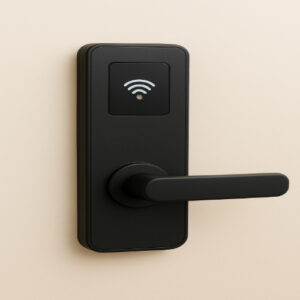
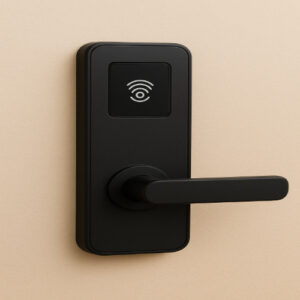
RFID door locks operate using a contactless mechanism. When an authorized RFID card or fob is brought close to the lock, it communicates with the reader and grants access within seconds.
Benefits
The biggest advantage of RFID door locks is ease of use—simply tap or wave the card to unlock the door. They reduce the risk of lost or duplicated keys, as each RFID credential is unique and difficult to clone. RFID locks also provide efficient access management, allowing administrators to add or remove users instantly.
Applications
- Hotels & Hospitality – Simplifies guest entry with contactless key cards.
- Corporate Offices – Manages employee access efficiently.
- Residential Buildings – Offers safe and convenient entry for families.
- Institutions & Healthcare – Secures restricted areas like labs, storerooms, and data centers.
Key Features
Bluetooth door locks connect directly to a smartphone via a dedicated app. Users can lock or unlock doors simply by being in close range, often without opening the app. Many models include auto-unlock and auto-lock functions.
Benefits
The primary benefit of Bluetooth door locks is convenience—users no longer need to carry physical keys or remember multiple codes. They provide secure access control, as digital keys can be added or revoked instantly through the app. These locks also enhance flexibility, allowing property owners to grant time-limited access to guests or service providers. With encrypted Bluetooth communication.
Applications
- Residential Homes – Offers families safe, keyless entry with smartphone control.
- Corporate Offices – Manages employee access efficiently.
- Hospitality Sector – Provides convenient mobile entry for guests.
- Institutions & Healthcare – Secures restricted areas with controlled access.
- WI-fi Door Lock
- Bio metric Door Lock
- Password Door Lock
Key Features
Wi-Fi door locks can be operated through dedicated mobile apps, enabling users to lock or unlock doors remotely. They provide instant notifications of every entry or exit, along with detailed access logs. Many models support multiple access methods, including PIN codes,
Benefits
The biggest advantage of Wi-Fi door locks is remote control—users can grant access to family members, guests, or employees even when away. They also improve security management, allowing property owners to track and manage who enters in real time. Wi-Fi locks are highly convenient, eliminating the need for physical keys, and their integration with smart devices
Applications
- Homes & Apartments – Secure and manage access remotely.
- Corporate Offices – Control employee and visitor entry.
- Hospitality – Provide mobile-based access to guests.
- Healthcare & Institutions – Protect sensitive and restricted areas.
Key Features
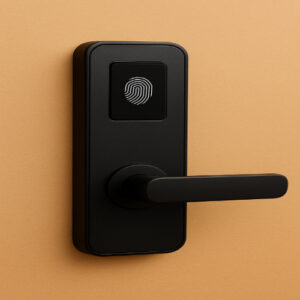
Biometric door locks are equipped with high-precision sensors that quickly and accurately recognize authorized users. Most models can store multiple fingerprints, making them suitable for families or organizations. In addition to biometric access, they often include backup options such as PIN codes, RFID cards, or mechanical keys. Advanced models feature auto-locking, tamper alarms, activity logs, and smartphone connectivity for greater control and monitoring.
Benefits
The biggest advantage of biometric locks is unmatched security, as fingerprints and facial features are unique and nearly impossible to duplicate. They also provide convenience, allowing instant access without carrying keys or remembering codes. With fast recognition systems, doors can be unlocked in seconds. Biometric locks also support multi-user access management, making them ideal for both residential and commercial use.
.
Key Features
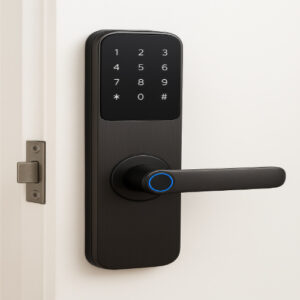
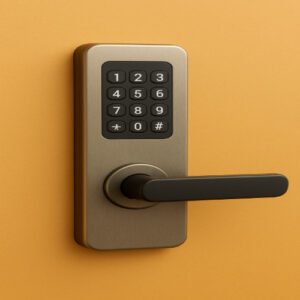
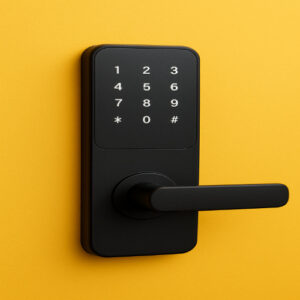
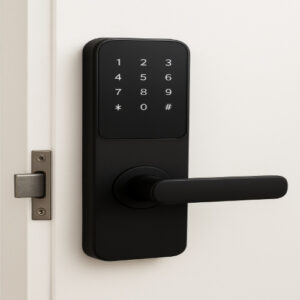
Password door locks feature a digital keypad or touchscreen panel where users enter a unique passcode. Many models allow multiple passwords to be stored, making it easy for family members, employees, or guests to access. They often include auto-locking systems, tamper alarms, low-battery indicators, and backup entry options such as RFID cards or mechanical keys. Some advanced models are also integrated with Bluetooth or Wi-Fi apps for remote control.
Benefits
The primary benefit of password locks is keyless convenience—no need to carry or worry about losing keys. They enhance security, as codes can be changed anytime to prevent unauthorized entry. Temporary or one-time codes can also be issued to visitors or service providers. In addition, these locks are easy to install and come in sleek, modern designs that complement different door styles.
Conclusion of Digital Door Locks
Modern Security Solution
Digital door locks represent the evolution of traditional locking systems, offering enhanced safety, convenience, and advanced technology. They provide a smarter way to protect residential, commercial, and industrial spaces.
Convenience and Keyless Access
One of the greatest advantages of digital door locks is the elimination of traditional keys. With options such as PIN codes, RFID cards, fingerprint recognition, and mobile app connectivity, users enjoy hassle-free and quick access without worrying about losing keys.
Enhanced Safety Features
These locks are designed with advanced security measures like alarm systems, auto-locking functions, and real-time monitoring. Many models integrate with home automation and CCTV systems, ensuring complete protection against unauthorized entry.
Adaptability and Versatility
Digital door locks are suitable for various applications including homes, offices, hotels, and commercial establishments. Their versatility and stylish designs also add a modern look to doors while enhancing overall functionality.
Peace of Mind
By combining convenience with high-level security, digital door locks provide peace of mind to users. They allow homeowners and businesses to monitor access, control entry, and ensure safety for families, employees, and valuable assets.
Future-Ready Technology
With continuous advancements in smart technology, digital door locks are becoming more intelligent and user-friendly. Features such as Wi-Fi connectivity, remote access, and integration with smart home devices make them a future-ready investment.
Final Thoughts
In conclusion, digital door locks are more than just a replacement for traditional locks—they are a comprehensive security solution. They bring together modern technology, style, and practicality, making them an essential choice for those who value safety, convenience, and innovation in today’s fast-paced world.